

The transition from coal to renewable energy is not only about reducing greenhouse gas emissions. It is also about ensuring that the shift creates fairer opportunities for everyone. Energy transitions often expose power imbalances embedded in political and policy processes, making them a critical lens for understanding climate justice (Delina and Janetos, 2018). While moving away from coal presents significant challenges for workers and communities that depend on the industry, it also offers an opportunity to build a more inclusive and equitable economy.
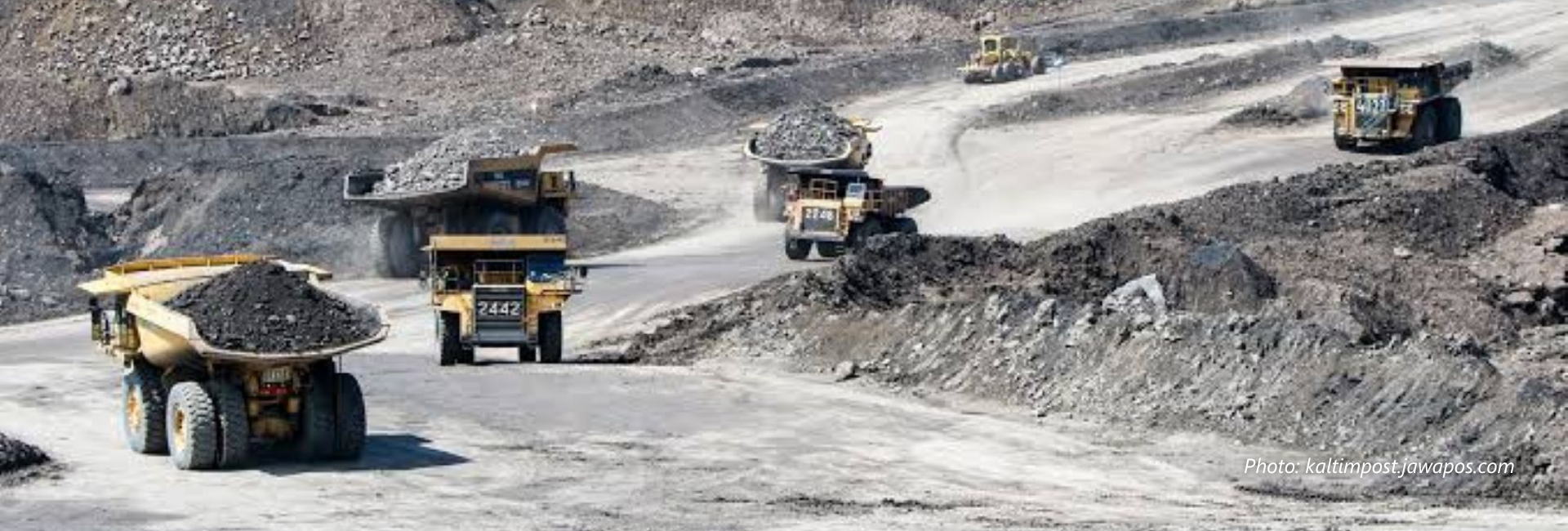
These challenges are particularly relevant in Indonesia, where coal remains a major source of energy and economic activity. As the country works to reduce its dependence on coal, coal-producing regions such as East Kalimantan face significant economic and social challenges. As the transition progresses, East Kalimantan alone is projected to lose nearly 16,900 coal mining jobs by 2050 (Tate et al., 2023). The socioeconomic consequences of these losses extend beyond employment and threaten the welfare of entire communities that rely on the coal sector.
To address these challenges, the East Kalimantan Provincial Government, supported by the International Climate Initiative for Just Energy Transition (IKI-JET), has incorporated economic transformation strategies, including economic diversification and downstreaming, into its 2025–2029 Medium-Term Development Plan (RPJMD). These efforts aim to prepare the region for a just transition while reducing its reliance on coal.
Building on these efforts, SMERU conducts a study to examine how gender equality has been integrated into East Kalimantan’s transition policies. The study assesses whether existing policy frameworks address gender inequalities in a coal-based economy and identifies opportunities to strengthen gender-responsive approaches in the region’s transition planning and implementation.
This study examines how Indonesia’s transition away from coal, particularly efforts to diversify regional economies, can be made more gender responsive. By generating evidence and practical recommendations, the study aims to help ensure that the shift away from coal reduces, rather than reinforces, existing inequalities while creating new opportunities for inclusive and sustainable development.
The study is carried out in three phases.
- Preparation
The research team engages with the East Kalimantan provincial government to ensure that the study aligns with local priorities and generates evidence that supports the development of a well-informed just transition pathway. - Data Collection
- Desk study
The research team reviews relevant policies, regulations, research publications, and labour market data to understand how gender considerations have been incorporated into Indonesia’s economic transformation and energy transition policies. This review provides the policy and socioeconomic context for the analysis. - Interviews
The research team conducts interviews with representatives from government agencies, businesses, labour unions, academia, civil society organizations, indigenous community councils, and East Kalimantan’s Economic Transformation Acceleration Team (TPTEK). These interviews capture diverse perspectives on the challenges, opportunities, and policy needs for achieving a more inclusive and gender-responsive energy transition.
- Data Analysis
The research team analyzes the findings through a gender and intersectional lens and MacArthur et al.'s three-layer framework. This approach helps identify the challenges and opportunities experienced by different groups of women and men during East Kalimantan’s energy transition.