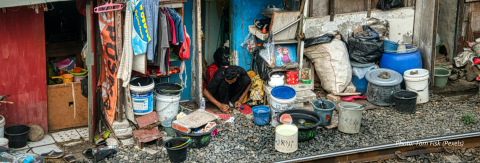


Indonesia’s social protection system has played a central role in reducing poverty and cushioning economic shocks—including those from the coronavirus disease (COVID-19) pandemic—over nearly 30 years of expansion since the Asian financial crisis. However, with sights set on the goal of achieving high-income status by 2045, the system faces growing structural challenges: persistent informality, fiscal pressures, demographic shifts, and increasing climate-related risks. Chapter 15 calls for a reimagining of social protection from being just a safety net to a springboard for human capital development, labor market mobility, and the kind of financial resilience that allows for inclusive economic growth. It proposes three strategic reform priorities: (i) strengthening the country’s social registry as a foundation for social protection reform; (ii) expanding social protection coverage and compliance to ensure sustainability; and (iii) linking social protection to economic empowerment and graduation pathways. Successful reform will require more than technical solutions. It will depend on managing political transitions, sustaining interagency coordination, and securing fiscal and institutional commitments. Ultimately, efforts must be anchored in a renewed social contract that prioritizes resilience, equity, and agency among all Indonesians.